Rekeying vs. Replacing Locks After Moving In
Why Your New Home's Locks Need Attention
Moving into a new home is a fresh start, but the locks on the doors are one detail that often gets overlooked. You have no way of knowing how many copies of the keys are floating around. Previous owners, neighbours, contractors, or even old tenants could still have a key that fits your front door. The smart move is to either rekey the existing locks or replace them entirely. Each option has its own strengths, and the right choice depends on the condition of your hardware, your security priorities, and whether you want to upgrade to newer technology.
This article walks you through the differences between rekeying and replacing, so you can decide which approach suits your situation. You will learn what each process involves, when it makes sense, and what to watch out for.
What Is Rekeying?
Rekeying means changing the internal pin configuration of a lock cylinder so that a new key operates it while the old key no longer works. The lock hardware stays the same. A locksmith removes the cylinder, swaps out the pins and springs, and reassembles it to match a different key. The result is a lock that looks identical on the outside but has a new secret inside.
This is a common solution for homeowners who want to secure their property without buying all new hardware. It works on most pin-tumbler locks, including deadbolts and knob locks. The cost is typically lower than a full replacement because you are not paying for new hardware, only for the labour and a new set of keys.
What Is Lock Replacement?
Replacement involves removing the entire lock assembly and installing a new one. This can mean swapping just the lock cylinder and strike plate, or changing the whole lockset including the deadbolt, handles, and sometimes the door frame reinforcement. Replacement is necessary when the existing hardware is worn, damaged, or incompatible with rekeying. It is also the route to take if you want to upgrade to a different type of lock, such as a smart lock, a high-security deadbolt, or a model with better key control.
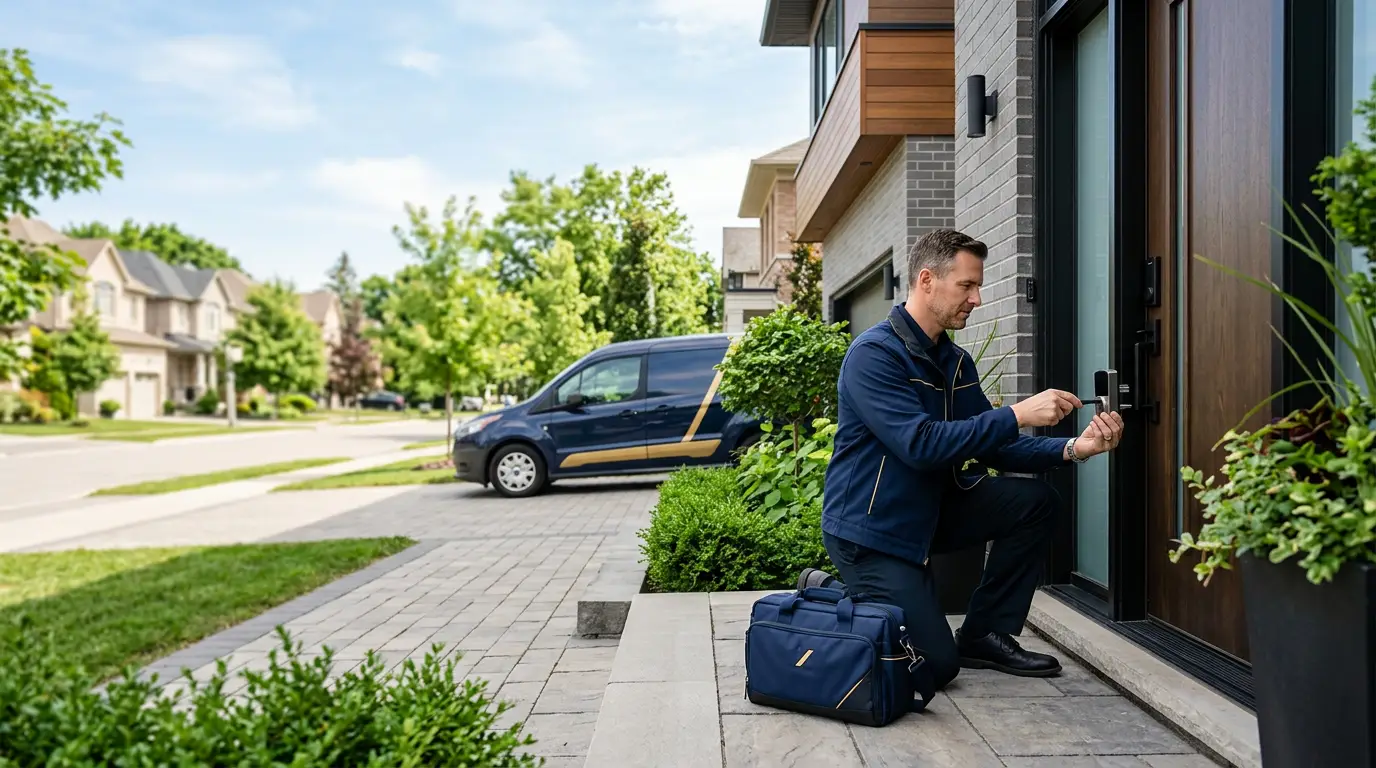
New locks come with a fresh set of keys, so you start with full control. The downside is the higher upfront cost and the time needed to select, purchase, and install the new hardware.
Comparing the Two Approaches
Cost and Effort
Rekeying is generally the more budget-friendly option. You pay for a locksmith's time and a few small parts. Replacement costs more because you are buying new hardware, and installation may take longer if the new lock does not match the existing holes or requires adjustments to the door. For a single door, the difference might be modest, but for a whole house with multiple exterior doors, the savings from rekeying can add up.
Security Level
Both methods can restore security by eliminating unknown key copies. However, replacement allows you to choose a lock with higher physical strength, anti-pick pins, or bump-resistant features. Rekeying keeps the same lock body, so if the original lock is weak or old, you are not improving the hardware's resistance to physical attack. A worn deadbolt with a loose cylinder might still be vulnerable even after rekeying. In that case, replacement is the safer bet.
Convenience and Speed
Rekeying is usually faster. A locksmith can rekey a standard deadbolt in a few minutes on site. Replacement takes longer because the old lock must be removed, the new one fitted, and the screw holes may need to be drilled or filled. If you need all the exterior doors done quickly, rekeying gets the job done in one visit. Replacement might require multiple trips if the new locks are not all the same brand or if the door prep is different.
Key Control and Master Keying
Rekeying gives you the opportunity to set up a master key system if you have multiple doors. A locksmith can rekey all your locks to work with one key, so you do not have to carry a bunch of different keys. Replacement also allows this if you buy locks that are keyed alike. Some high-security lock cylinders offer restricted keyways that prevent unauthorised duplication, which is a feature you can only get through replacement. If key control is a priority, replacement with a restricted-keyway lock is the way to go.
When to Rekey
Rekeying is the right choice when the existing locks are in good mechanical condition and you are happy with their appearance and function. It works well if you simply want to ensure that no one else has a working key. It is also a good option if you are renting and cannot replace the locks without the landlord's permission. Many landlords allow rekeying as long as you provide a copy of the new key.
Another situation where rekeying shines is when you have multiple locks that are the same brand and model. A locksmith can rekey them all to operate with the same key, giving you convenience without buying new hardware. If your locks are relatively new and from a reputable brand, rekeying is a perfectly sound long-term solution.
When to Replace
Replace the locks if any of the following applies: the hardware is visibly worn, the cylinder turns with resistance or feels loose, the deadbolt does not extend smoothly, or the lock is more than ten years old and has seen heavy use. Worn locks can fail at the worst moment, leaving you stuck outside or unable to secure the door properly.
Replacement is also necessary if you want to upgrade to a different lock type. For example, moving from a basic key-in-knob lock to a Grade 1 deadbolt, or installing a smart lock with keypad access and remote control. Smart locks cannot be rekeyed in the traditional sense; they rely on access codes and electronic components. If you want the convenience of a code or app-based system, you need to replace the locks.
Another reason to replace is when the keyway is compromised. Some older locks have common keyways that can be opened by skeleton keys or bump keys. A new lock with a restricted keyway adds an extra layer of protection. Similarly, if the door frame or strike plate is damaged, replacement gives you the chance to install a reinforced strike plate with longer screws that anchor into the wall stud, making the door much harder to kick in.
Practical Steps for New Homeowners
Once you move in, check the condition of every exterior lock. Look at the deadbolt, the knob or lever, and the strike plate. Turn the key in the cylinder. Does it feel smooth? Does the bolt extend fully into the strike plate without scraping? If the door does not close tightly, the strike plate may need adjusting. These are simple observations that a locksmith can address during a service visit.
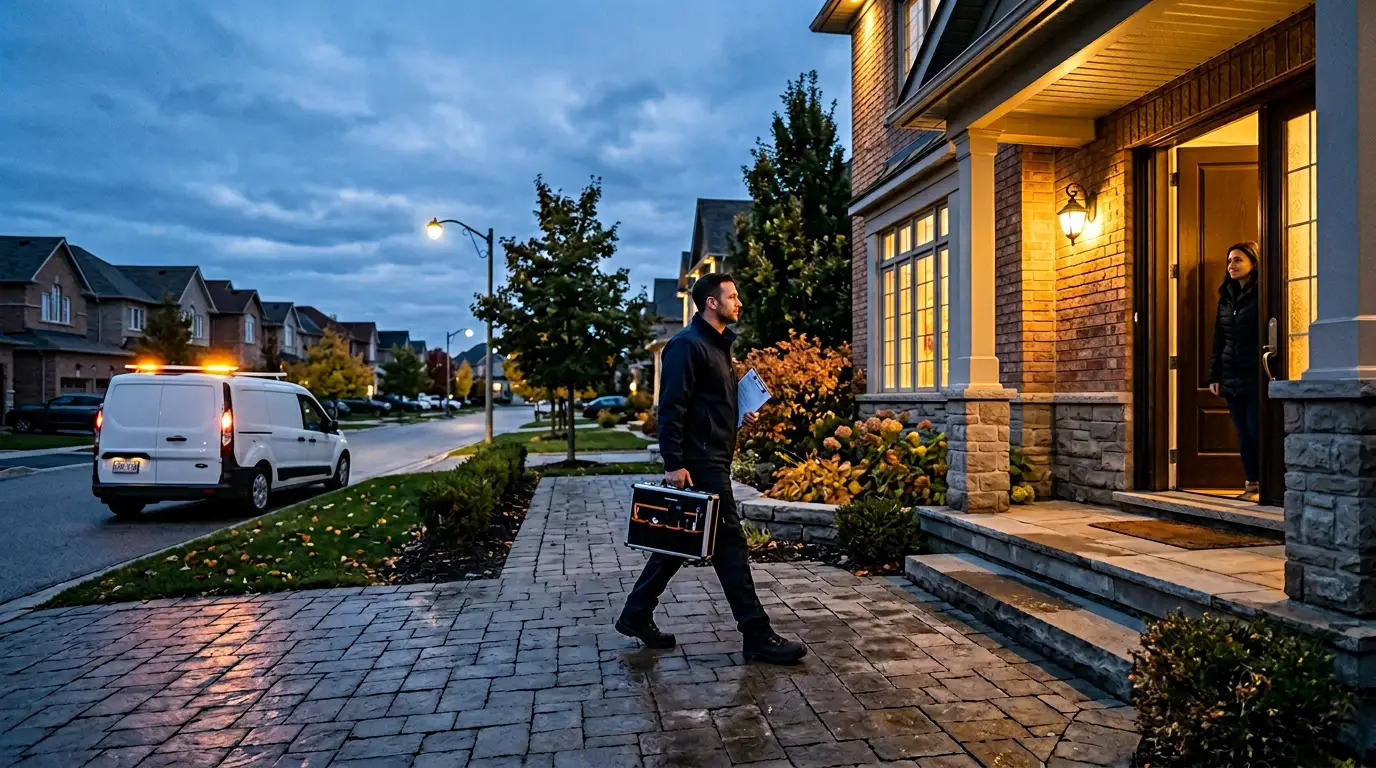
If you decide to rekey, call a professional locksmith to come to your home. They will bring a set of pins and a new key blank. They can rekey all matching locks on site. If you have locks of different brands, they may need to order matching parts. A trusted **Locksmith Vaughan Ontario** can handle a mix of hardware and advise on the best approach for each door. One use of the phrase in a middle paragraph.
If you decide to replace, measure the backset (the distance from the edge of the door to the centre of the hole) and the crossbore diameter. Most residential locks use a 2 3/8-inch or 2 3/4-inch backset. Buy locks that match those measurements to avoid drilling new holes. If you are not handy with tools, have the locksmith do the installation. A poorly fitted lock can compromise security and cause alignment issues.
After either process, you should have a clear record of who has keys. Hand out copies only to people you trust, and consider keeping a spare in a secure location rather than under the doormat. If you use a smart lock, change the default code immediately and set up temporary codes for guests or service workers.
Combining Both Approaches
In some homes, a mix of rekeying and replacement makes sense. For example, the front door might need a new smart lock for convenience, while the back door and side door are in good shape and only need rekeying. The garage door might use a different type of lock altogether. A professional can assess each door and create a plan that balances security, convenience, and budget. That is where a local **Locksmith Vaughan Ontario** comes in, providing expertise on lock types, key systems, and installation. Second use of the phrase in the body.
Final Considerations
Neither rekeying nor replacement is inherently better. The best choice depends on the condition of your current hardware, your security needs, and your willingness to invest in new features. If your locks are solid and you just want to start fresh, rekeying is quick and cost-effective. If you want modern features or your locks are worn, replacement gives you a clean slate. Either way, addressing the locks within the first week of moving in gives you peace of mind and ensures that only you control who can enter your home.